


-

Add: HeBei ShengShi HongBang Cellulose Technology CO.,LTD.
-

Email
13180486930@163.com -

CONTACT US
+86 13180486930
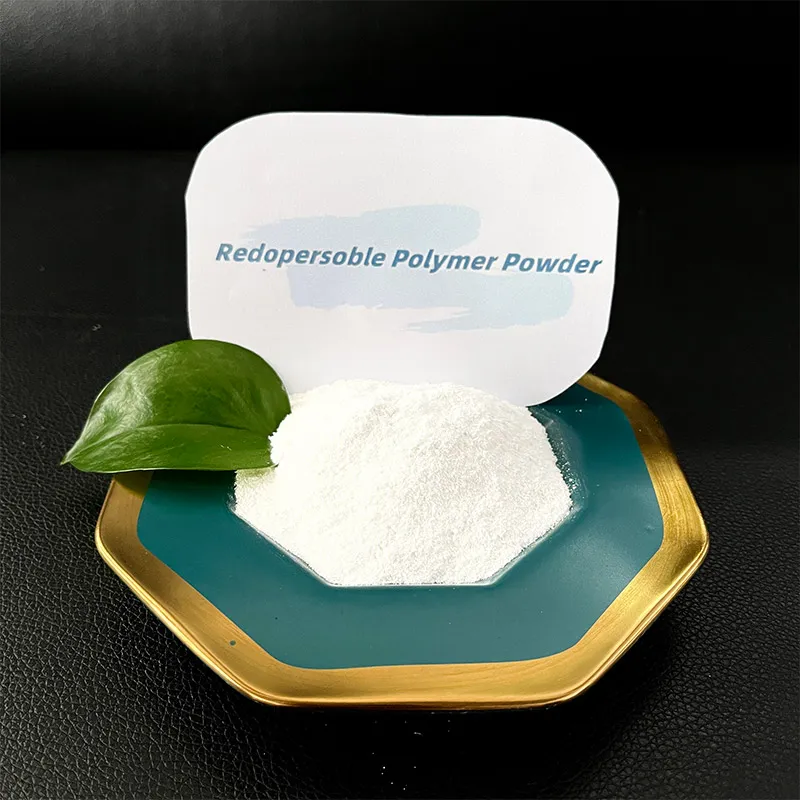


In the competitive realm of building materials and construction, the name HPMC easily resonates with industry insiders. HPMC, or Hydroxypropyl Methylcellulose, has a significant role, not just in construction, but also in other applications like pharmaceuticals and food products. However, the focus here is specifically on the construction product line and its branding identity, represented by the HPMC logo. The HPMC logo symbolizes innovation, quality, and reliability—a trifecta that every construction professional seeks. Through its unique visual identity, the HPMC logo encapsulates the essence of the brand, which is committed to enhancing the quality and longevity of construction projects globally. This symbolic representation differentiates it from competitors, offering a mark of excellence. Experience with HPMC products starts right from the visual interaction with its logo, often the first point of contact for potential customers or business partners. This logo becomes a beacon of trust . When adorned on packaging, brochures, or digital platforms, it assures clients of the consistent quality embedded in HPMC’s comprehensive portfolio of cellulose ethers, used extensively in cement, gypsum, and ceramics. For experts in the construction industry, the HPMC logo is a signifier of unparalleled expertise. Hydroxypropyl Methylcellulose has unique qualities such as water retention, thickening, and binding abilities, which are crucial in sustainable construction practices. The experts developing HPMC have engineered its products to perform efficiently under diverse environmental conditions, ensuring the stability and durability of constructions. Authoritatively, HPMC stands head and shoulders above others in the realm of cellulose ethers. Its logo is a testament to years of research and development. The technological advancements encapsulated by HPMC have been recognized by industry leaders, accrediting it as a go-to material for high-performance construction solutions. Its use in high-rise buildings, bridges, and other complex infrastructures underscores its authority in the field. The trustworthiness of the HPMC brand can be attributed in part to the consistent representation and quality assurance denoted by its logo. In an industry where safety and reliability are paramount, the HPMC logo comes to signify peace of mind. Construction professionals rely on this assurance, knowing that adherence to strict quality control protocols backs every product marked with the HPMC insignia. hpmc logo HPMC's products are not just made; they are crafted, with each batch being a testament to the company’s commitment to excellence. The meticulously designed logo is an assurance that whether you're working on small-scale renovations or large-scale infrastructural endeavors, the materials you use will perform to the highest standards. Additionally, the HPMC logo also plays a role in sustainable construction solutions. With increasing demand for environmentally responsible building practices, products bearing the HPMC logo are often formulated to reduce environmental impact. This contributes significantly to LEED certifications and other green building standards, enhancing the credibility of projects and ensuring compliance with global sustainability goals. In essence, the HPMC logo does far more than signify a product line—it tells a story of dedication to performance, innovation, and integrity. It is an emblem that carries forward the core values and unparalleled standards of HPMC, offering an edge in the competitive market landscape. The brand's commitment to research and development further underpins its potential to lead in innovative solutions, continually setting standards for quality in the construction industry. The symbiotic relationship between the HPMC logo and its promise of quality underscores a value proposition that competitors aspire to—and customers trust unwaveringly. Builders, architects, and contractors around the globe look to this symbol with confidence, knowing that the materials they choose will deliver exceptional performance, project after project. Overall, the HPMC logo not only reflects the company's expansive expertise and authoritative standing in the industry but also reinforces its commitment to reliability and trustworthiness. It represents a blend of technological innovation and proven performance, making it a vital asset to construction professionals worldwide.
- 40000tons

Production
- 20+years

Experience
- 5000+㎡

Acreage

-
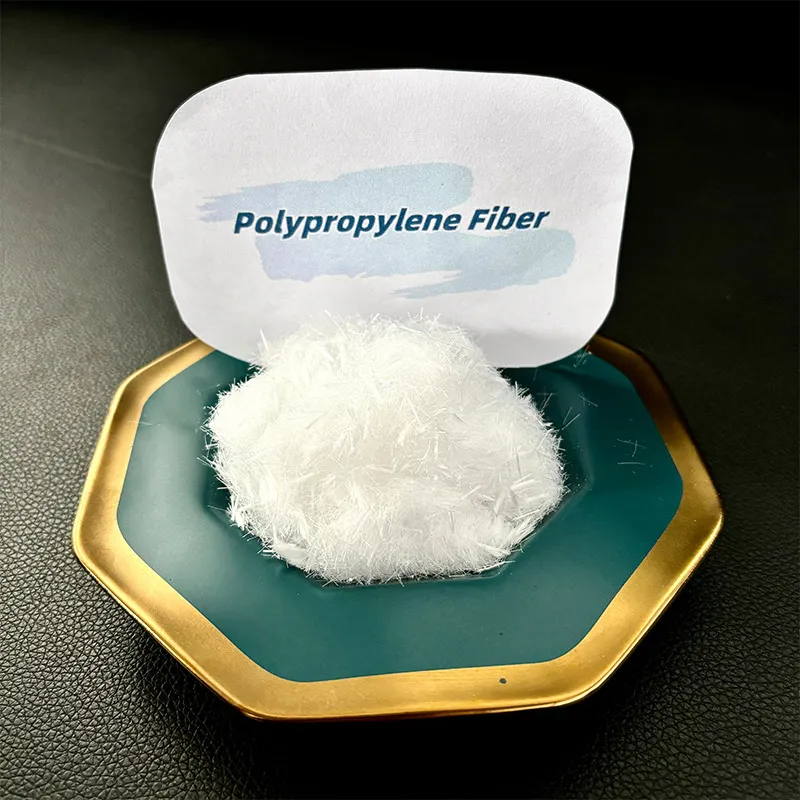
Exploring the molecular weight of hydroxypropyl methylcellulose (HPMC) unveils a nuanced aspect often overlooked yet crucial in multiple applications within pharmaceuticals, construction, and food industries. The molecular weight directly influences HPMC's solubility, viscosity, and functional properties, challenging even the most experienced professionals to match the perfect balance for specific industrial needs. Molecular weight, fundamentally, indicates the size of a single HPMC molecule, typically ranging between 10,000 to 1,500,000 g/mol. This variability allows HPMC to adapt to diverse roles, from thickening agents in sauces to extended-release agents in medicine, showcasing its versatility. In pharmaceuticals, HPMC's molecular weight is instrumental in controlling drug release rates . A higher molecular weight often translates to increased viscosity, which is pivotal in formulating controlled-release drugs. This characteristic ensures that the medication is released at a consistently maintained rate, enhancing the treatment's efficacy and patient compliance. Manufacturers aiming for precision must therefore select HPMC with a molecular weight that aligns perfectly with the intended release profile. The food industry similarly benefits from HPMC's customizable properties. As a stabilizer and texturizer, the molecular weight determines how effectively HPMC can emulsify and retain moisture in products like low-fat dairy or gluten-free items. By adjusting the molecular weight, food technologists can create products with improved mouthfeel and structural integrity, which are crucial for consumer acceptance. In construction, HPMC's role as a rheology modifier is heavily dictated by its molecular weight. For applications in cement-based products, such as tile adhesives or self-leveling compounds, an HPMC variety with an appropriate molecular weight ensures the correct balance of water retention and workability. This factor is critical to achieving the desired slump resistance and tensile adhesion strength in building materials. hpmc molecular weight Despite these benefits, selecting the incorrect molecular weight can lead to suboptimal performance. For instance, in pharmaceuticals, an HPMC with too low a molecular weight could result in rapid drug dissolution, counteracting the desired slow-release effect. Similarly, in construction, using a product with inadequate molecular weight might fail to impart necessary workability or lead to cracking due to insufficient water retention. Adopting a scientific approach, many experts utilize techniques such as gel permeation chromatography or viscometric methods to determine the precise molecular weight of HPMC needed for a given application. These methods provide insights that allow formulators to predict the polymer's behavior, fostering innovation and precision in product development. The authoritative voice in HPMC usage stems from balancing experience with empirical data, ensuring the chosen molecular weight aligns with application-specific requirements. This intricate balance nurtures trust among clients and consumers, who rely on consistent, high-quality products underscored by rigorous scientific validation. In conclusion, understanding and selecting the appropriate molecular weight of HPMC is an art that combines advanced technical knowledge with practical expertise. Professionals tasked with this selection process drive innovation and quality across industries, reinforcing HPMC's role as an indispensable component in achieving desired performance outcomes in countless applications.
-
Glass filled polypropylene, commonly known as glass filled PP, is a marvel of modern engineering that brings a plethora of benefits across various industries. As a seasoned industry expert, I have seen firsthand how the incorporation of glass fibers into polypropylene matrices has transformed the durability and functionality of a range of products, making it a material of choice for numerous applications. In the realm of automotive manufacturing, glass filled PP has emerged as a driving force behind enhanced vehicle performance and durability. Its superior strength-to-weight ratio makes it an ideal substitute for heavier metals, contributing to significant weight reductions in vehicles. This not only improves fuel efficiency but also reduces carbon emissions, aligning with global sustainability goals. I have observed that automotive engineers often prefer glass filled PP for parts like front-end modules and under-the-hood components due to its exceptional thermal resistance and sound dampening properties. The packaging industry is another sector where glass filled polypropylene has made significant inroads. Its robust mechanical properties ensure that containers and packaging materials maintain their integrity even under extreme conditions. With the heightened focus on sustainable packaging solutions, glass filled PP offers an eco-friendly alternative that does not compromise on performance. My experience with leading packaging manufacturers has shown that switching to glass filled PP can lead to reduced material wastage and enhanced recyclability of products. In the electrical and electronics fields, glass filled PP has set new standards for efficiency and safety. Its excellent insulating properties and resistance to electrical conductivity make it ideal for housing electrical components. Additionally, its flame retardant capabilities provide an added layer of safety, crucial in the manufacturing of household appliances and consumer electronics. Industry specialists frequently refer to glass filled polypropylene as a game-changer for enhancing product longevity and reliability. The construction industry, too, has not been left behind in embracing the advantages of glass filled PP. This material has been instrumental in creating lightweight, yet robust construction materials, from piping systems to roofing components. Its resistance to chemical corrosion and moisture absorption makes it particularly suitable for use in extreme environmental conditions. During my consultations with construction firms, the feedback has been overwhelmingly positive, highlighting reduced maintenance costs and improved infrastructure resilience. glass filled pp From a technical perspective, the process of compounding glass fibers with polypropylene demands precision and expertise. The proportion of glass filler can be meticulously controlled to optimize the material's mechanical properties for specific applications. My collaborations with polymer scientists and engineers have underscored the importance of technology and precision in manufacturing these advanced composite materials. The true innovation of glass filled polypropylene lies not just in its structural benefits, but also in its versatility. This material can be tailored to meet a wide range of aesthetic and functional requirements, allowing for custom solutions that cater to specific industry needs. Its adaptability and ease of processing mean that manufacturers can create parts with intricate geometries and superior surface finishes, which are often required in both consumer and industrial applications. Trust in materials is pivotal across industries, and glass filled PP does not fall short in this respect. Reputable testing and certification processes bolster its credibility, providing assurance of its performance and compliance with industry standards. It is crucial for manufacturers to rely on certified suppliers to ensure the uniformity and quality of glass filled PP, which in turn maintains the integrity of the final products. My experiences with quality assurance specialists have shown that this reduces long-term liability and enhances consumer trust. In conclusion, the transformative impact of glass filled polypropylene cannot be overstated . Its innovative blend of strength, durability, and versatility offers a sustainable path forward across diverse sectors, from automotive to electronics and beyond. Embracing glass filled PP as a staple in product manufacturing is not just a step towards modernity but a commitment to progress and excellence. With a keen eye on emerging trends and technological advancements, industries can continue to leverage this material’s full potential, yielding products that are not only superior in performance but also aligned with the highest standards of quality and environmental responsibility.
advantages
-

200000 Viscosities
Excellent product
We can produce pure products up to 200,000 viscosities
-

40000 tons
High yield
We don’t stop production all year round, and the annual output can reach 40,000 tons
-

24 hours
Quality service
We provide 24-hours online reception service, welcome to consult at any time
———— Inquiry Form
Schedule A services

-
 wood_cellulose
Oct . 25, 2025
Hydroxypropyl Methylcellulose (HPMC) has been transforming the construction industry with its versat -
 rubber_powder_types
Oct . 25, 2025
Exploring the World of Fibers A Dive into Natural and Synthetic Choices In the ever-evolving landsca -
 hpmc_selulosi
Oct . 25, 2025
Hydroxypropyl methylcellulose (HPMC) and carboxymethyl cellulose (CMC) are two of the most widely us


